
How mortgages work, the down payment and rules you need to know, and the types to compare — a plain-language guide for Canadian buyers and owners. Get matched with a mortgage lender in minutes.
A mortgage is a loan secured by your home: you borrow to buy a property and repay it, with interest, over a long period. For most Canadians it's the largest loan they'll ever take on, so understanding how mortgages work — the down payment, the rules, and the types — can save you thousands. This hub walks through the essentials and links to a detailed guide for each mortgage type.
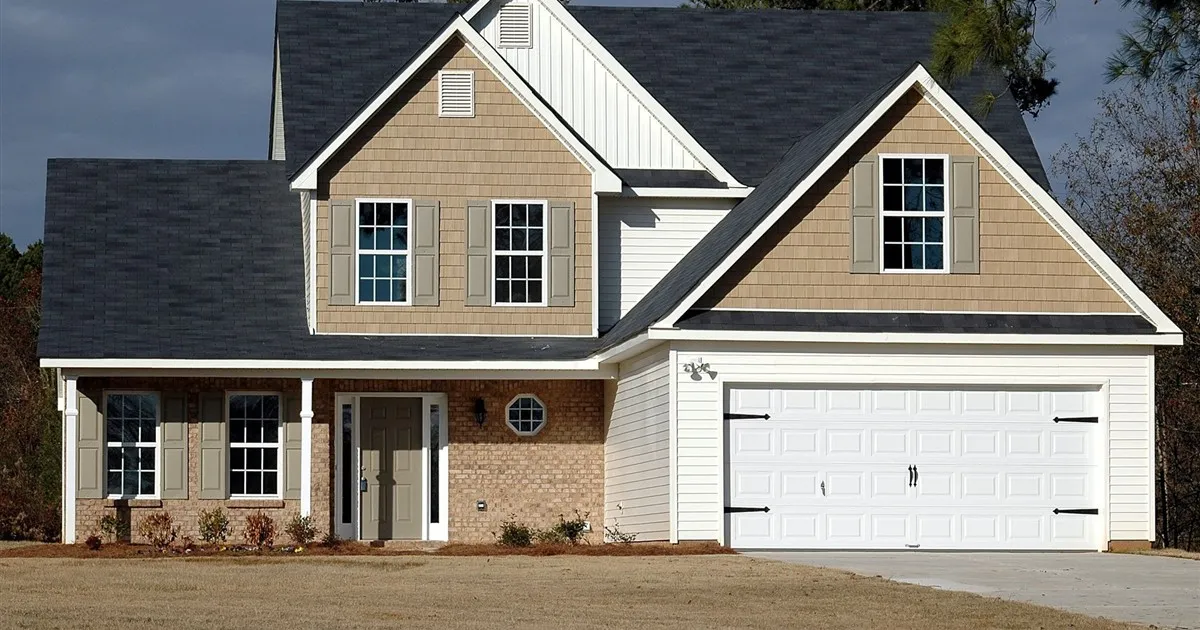
Photo by Pixabay on Pexels
Each guide explains how it works, what it costs and who it suits.
A locked interest rate and predictable payments for your whole term.
Fixed mortgage guide →A rate that moves with prime — often lower, with more risk.
Variable mortgage guide →When you buy a home, you pay a down payment up front and borrow the rest as a mortgage. You then repay that balance plus interest in regular payments over an amortization period — commonly 25 years — broken into shorter terms of one to five years that you renew until the mortgage is paid off. A few rules shape every Canadian mortgage:

Photo by Kindel Media on Pexels
The federal Financial Consumer Agency of Canada and CMHC publish neutral, detailed guidance on every step of getting a mortgage.
The rate is only part of the picture. A few habits help you borrow well and pay less over the life of your mortgage:

Photo by Mikhail Nilov on Pexels
Rather than applying to lenders one at a time, Loanspot matches you with mortgage options from licensed Canadian lenders — whether you're buying your first home, renewing, refinancing or need an alternative lender. Tell us a little about what you need and compare what's available to you.

Photo by Kindel Media on Pexels
The questions Canadian buyers and owners ask most.
At least 5% on the first $500,000 of the price, 10% on the portion above $500,000, and 20% on homes priced at $1 million or more. Under 20% down requires mortgage default insurance.
Lenders must confirm you could still afford your payments at a higher qualifying rate than the one you're offered. It's designed to make sure you can handle rate increases at renewal.
Amortization is the total time to pay off the mortgage (often 25 years). The term is the shorter contract length, usually one to five years, after which you renew at current rates until it's paid off.
Fixed gives a locked rate and predictable payments; variable moves with prime and can be lower but riskier. The right choice depends on your budget and tolerance for rate changes.
Banks generally look for good credit, but alternative and private lenders consider lower scores at higher rates. A stronger score and larger down payment earn better terms.
Loanspot isn't a lender — it matches you with licensed Canadian mortgage lenders so you can compare options in one place instead of applying to each one separately.
Get matched with licensed Canadian mortgage lenders. No obligation, no pressure.
Get matched now →Dig into each mortgage type, or get matched with a lender.
Fixed mortgages Variable mortgages HELOC Private mortgages Mortgage refinancing Fixed vs variable